Broken DJI drone: repair it, sell it or trade it in?
Crash, stuck gimbal, cracked arm, swollen battery: the criteria to decide whether to repair a broken DJI drone, sell it for parts or request a buyback.
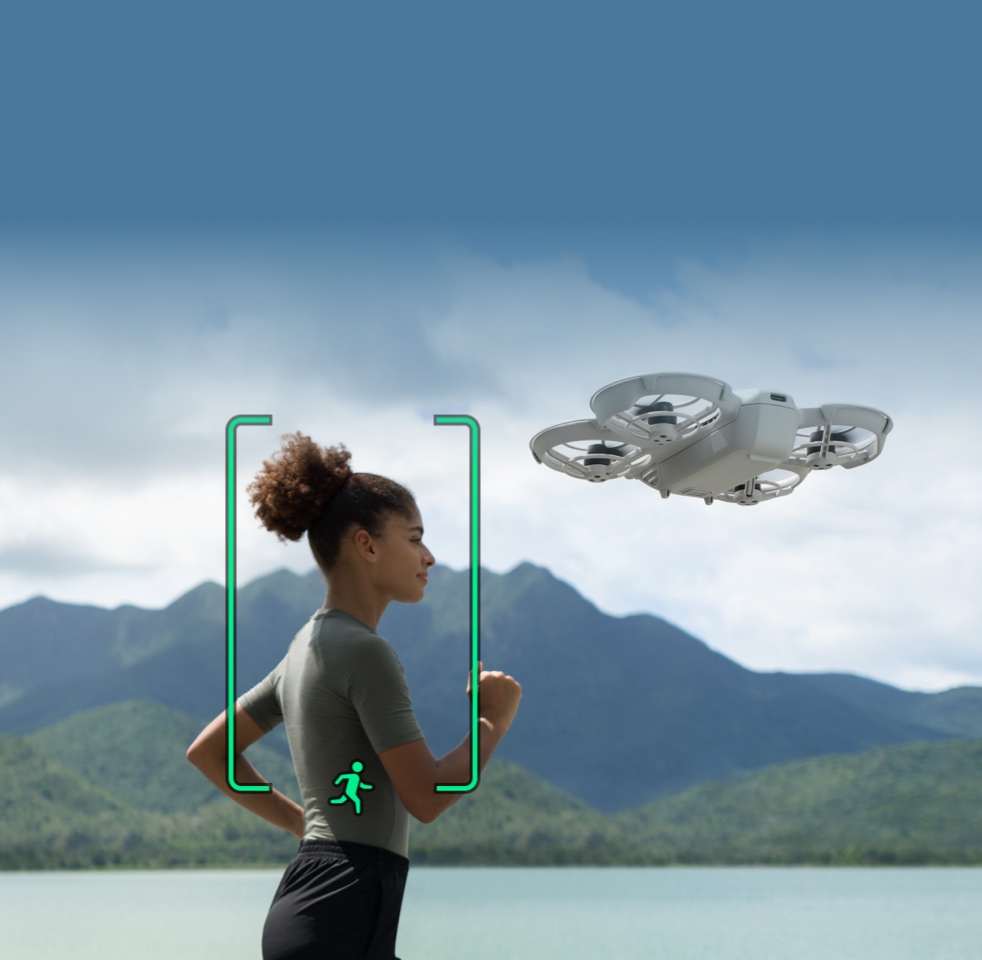
A crash doesn’t automatically mean your DJI drone is worthless. Some damage is simple to fix, other damage makes repair barely worth it. Before ordering parts or listing it “for parts”, here’s how to decide between repairing, reselling and requesting a Dronex buyback.
Start by identifying the type of damage
- Cosmetic: scratches, a marked shell, propellers to replace. Value drops, but the drone stays sellable.
- Mechanical: cracked arm, noisy motor, a propeller that rubs, a warped frame. Inspection required before resale.
- Imaging: stuck gimbal, tilted horizon, scratched sensor. Often the most sensitive item.
- Electronics: error messages, GPS loss, unstable transmission, a swollen battery. Value becomes uncertain.
- Administrative: a linked DJI account, no invoice, a doubtful serial number. Even a working drone can become unsellable.
When repair is worth it
Repair makes sense if the drone is recent, in demand, and the fault is clearly localised. Replacing propellers, a shell or landing gear can save a unit’s value. On the other hand, a full gimbal, a circuit board or a damaged battery can cost enough to make buyback the more sensible option.
When to sell for parts
Selling for parts makes sense if the drone no longer flies but still has useful components: controller, Goggles, healthy batteries, charger, camera, propellers, bag. In that case, clearly separate working parts from those needing repair. Our guide on reselling DJI accessories explains how to value components separately.
When to go through a buyback
Buyback suits you if you want to avoid conflicting diagnoses, buyers who renegotiate afterwards, and the risk of returns. At Dronex, a “faulty” condition exists in the quote form: it lets you declare a damaged drone without dressing up its state. The value is lower, but the process is clear.
Useful photos for a fair quote
- General view of the drone from several angles.
- Close-ups of arms, propellers, motors and shrouds.
- A photo of the gimbal powered on, if it stabilises.
- A screenshot of any error messages in DJI Fly.
- Photos of the batteries showing their visible condition, if possible.
- Photos of included accessories and the invoice if available.
Common mistake: repairing before knowing the value
Some sellers spend too much on repairs to recover too little at resale. Before committing to costs, work out the likely value with our method: how much is my DJI drone worth. If the repair cost exceeds the gap between “broken” and “good condition”, buyback as-is is usually more rational.
Frequently asked questions
Can you resell a broken DJI drone?
Yes, but the fault must be clearly declared. A broken drone can still have value for its parts, its accessories, or a suitable buyback.
Can a swollen battery be sold?
No, it must be taken out of service and recycled. It should never be shipped or used as a selling point.
Is it better to repair before selling?
Only if the repair cost is lower than the expected gain in value. For a gimbal or costly electronics, get a quote before repairing.